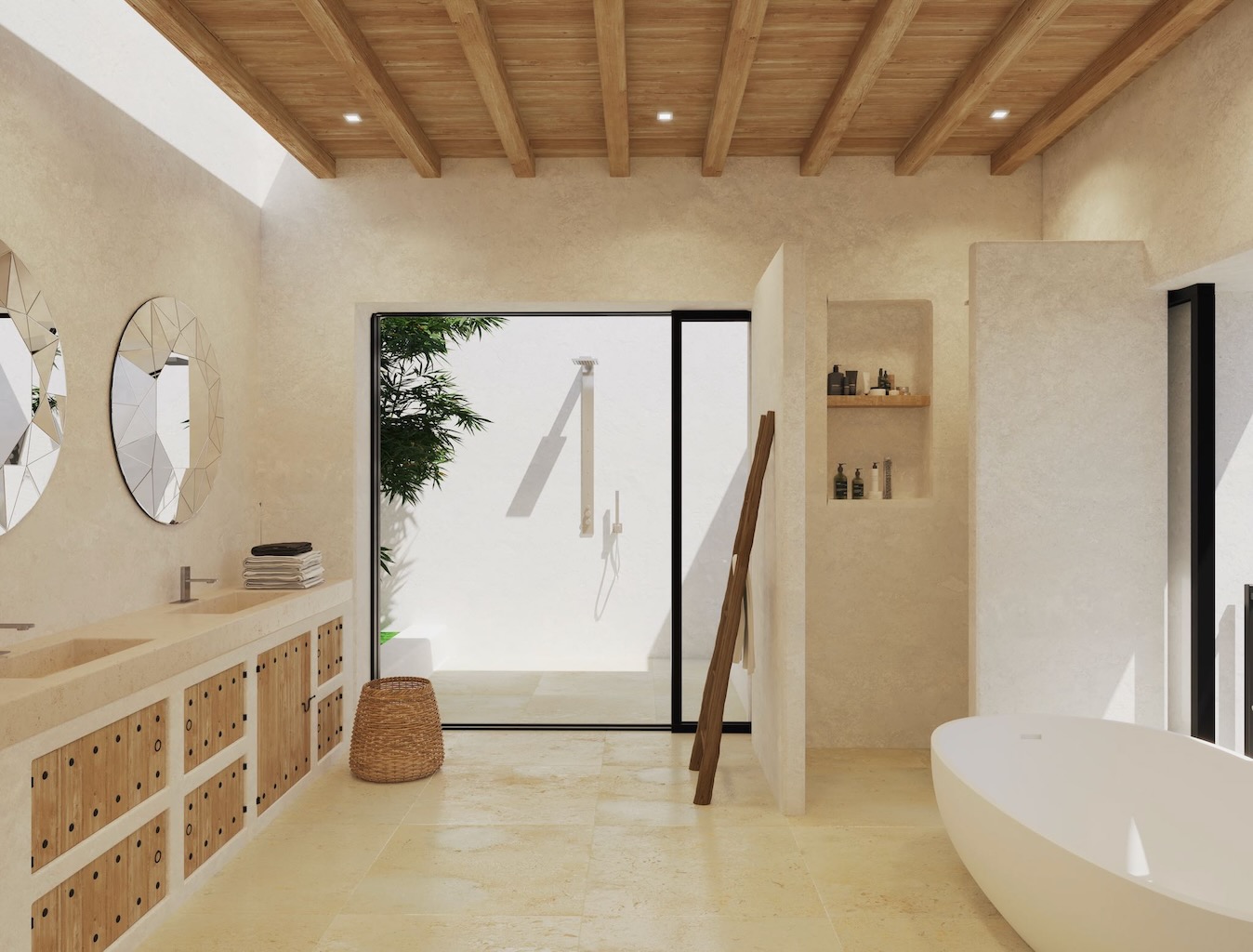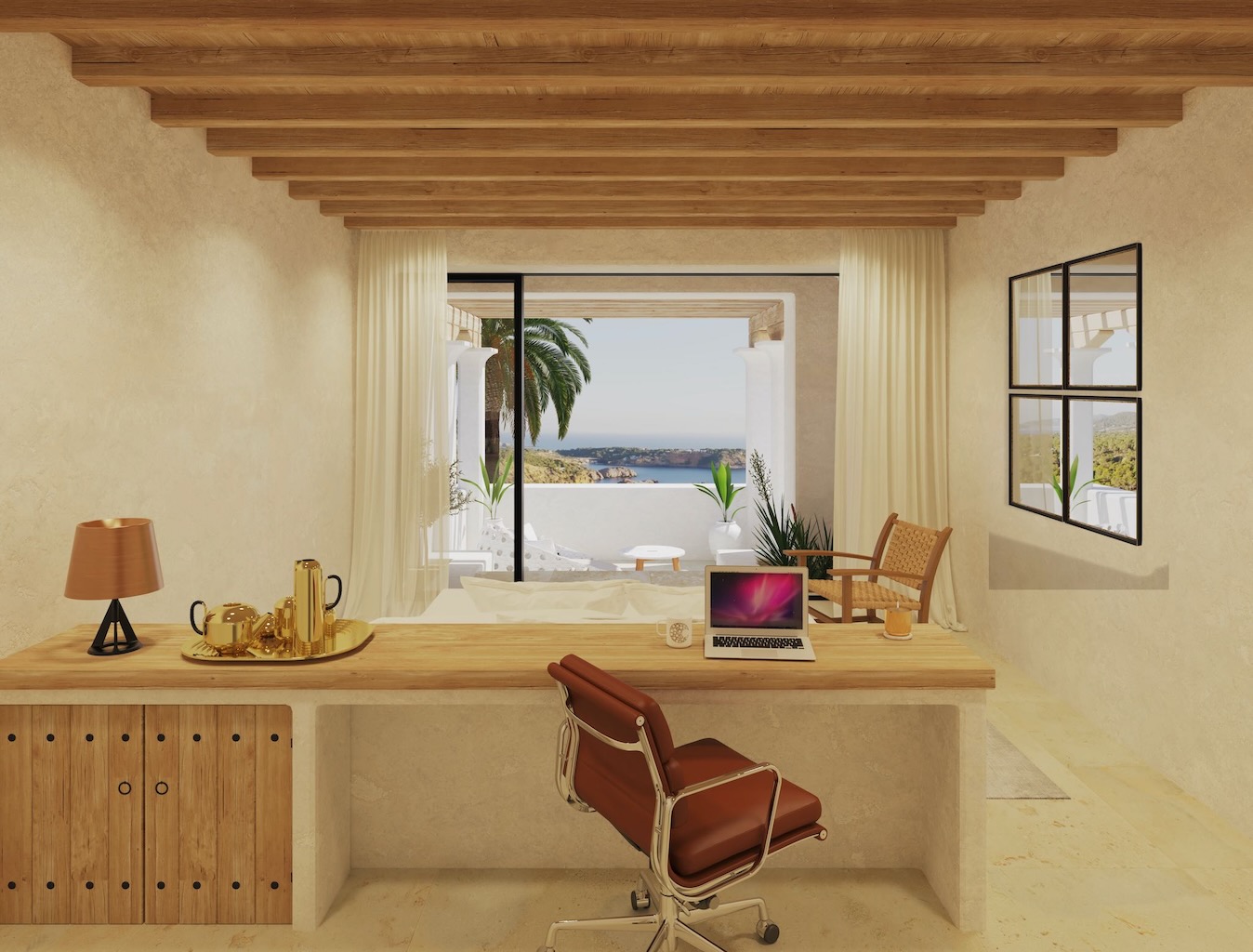
The detritus of daily life accumulates around the house, in the form of piles that are unsightly for everyone, whether you live alone, with your partner or with a tribe of small (and grubby) little people. Shoes carelessly slipped off by the door, damp towels left on sunbeds, dog leads dangling from the sideboard, school bags tossed and forgotten and a stack of irritating paperwork held down by a half-burned scented candle. When you’ve spent precious time (and money) on creating your dream home, the last thing you want is a mess. In a properly designed home, everything has a place, and that place was decided and designed early – not added afterwards with a repurposed basket left over from the school Easter egg hunt. A house can have the right proportions, the right materials, the right light, and still fail its owners daily if nobody thought about where the wet swimsuits go before the kids come in for dinner.
Storage is rarely a styling problem. More often than not, it’s a sequencing problem. The key is to envisage how one moves through the house, room by room, hour by hour, season by season, pre-empting the inevitable mess that daily life incurs. A covered outdoor shower, positioned before guests reach the terrace rather than tucked round the back, leaves bodies and swimsuits (and therefore interiors) chlorine-free. A bench and a set of hooks nearby, sized generously enough for a family and their visitors, gives the wet towels somewhere to hang that isn’t over a chair back in the living room and saves limestone floors from the scourge of wet feet.
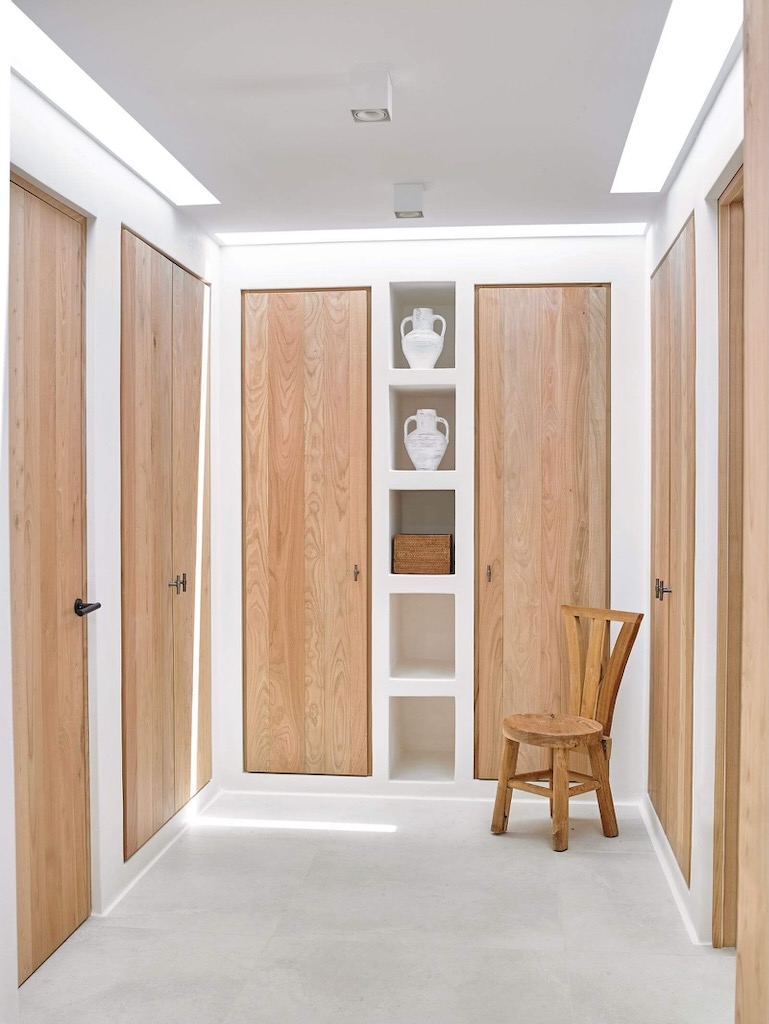
Some of the best fixes come from spaces most houses simply waste, such as the dead zone beneath a staircase for art supplies, an oversized walk-in pantry with workbench to conceal appliances, a service corridor providing access to unsightly bins or a bench at the front door with built-in shoe storage. A well-placed pocket or pivot door closing seamlessly over a laundry or a home office remains one of the simplest tricks available, particularly when it’s finished flush with the wall it sits in and disappears when open. However, design solutions can only do so much on their own. Retraining bad habits is just as important.
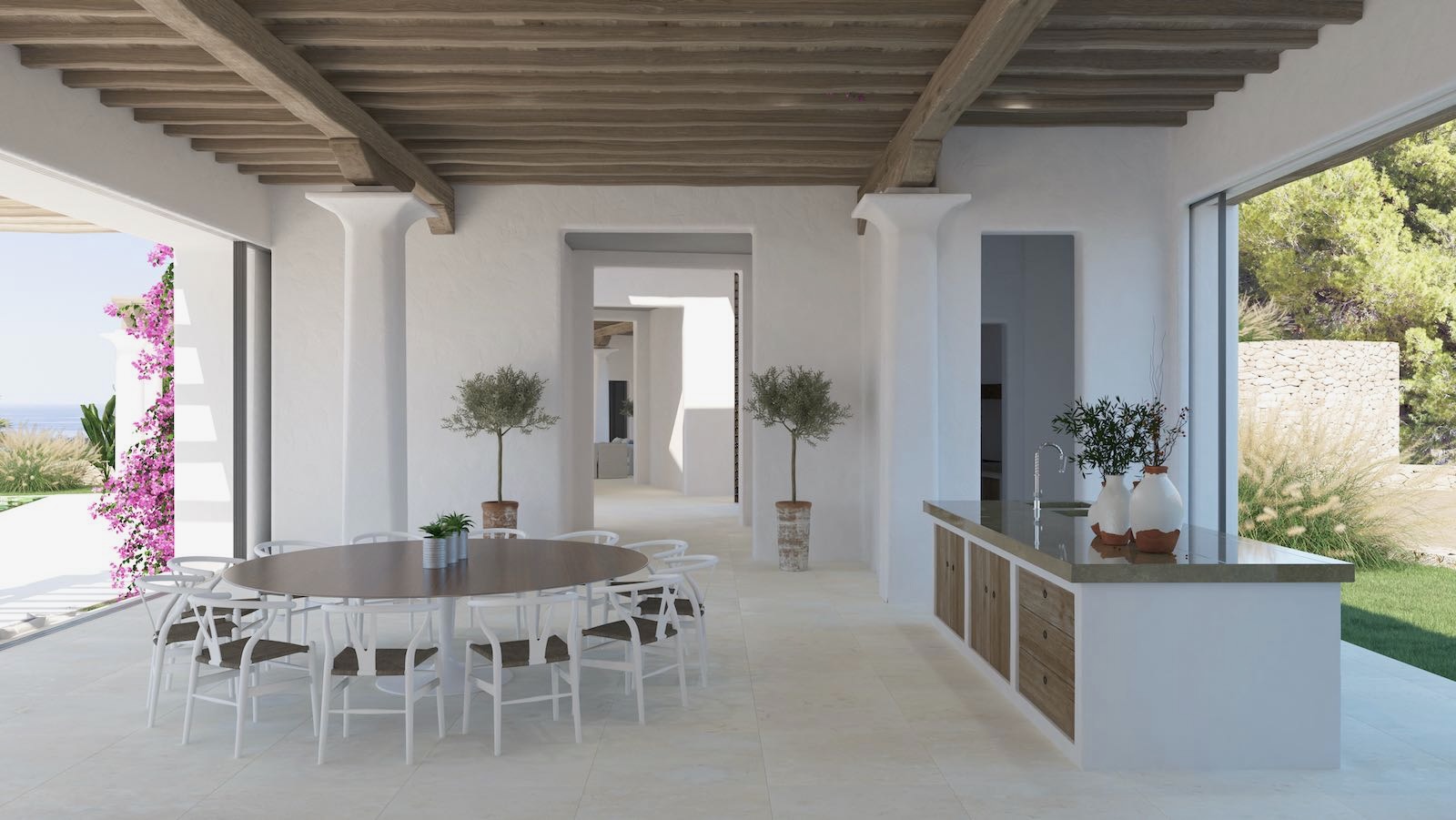
Research out of Stanford’s Behaviour Design Lab has revealed something simple and slightly humbling – a habit only takes hold when the easy option and the right option are the same option. The solution to clutter must exist exactly on the path a person is already walking, in the moment they’re already carrying or about to discard the thing. A drawer two steps out of the way loses to a counter every time, simply because humans are hardwired to default to the path of least resistance. This changes what a good storage solution is meant to do. Shoe storage only earns its keep if it sits directly on the route from the front door. The same goes for cubbies and hooks at the exact height of a little person who is about to throw their school bag onto your very expensive stone flooring. A charging phone will find the most convenient plug even if it’s in the middle of the kitchen counter.
While becoming clutter-free is about designing for the version of you that exists on a Tuesday night – tired, carrying bags, trying to get dinner started before anyone’s had a meltdown sequence – habit formation holds equal weight. Get that right, and the house stays tidy without anyone putting too much effort in. There’s no guaranteeing your toddler will put their crayons back into the beautifully designed crayon drawer, but at least the potential for order is present; it’s just going to take a little training.