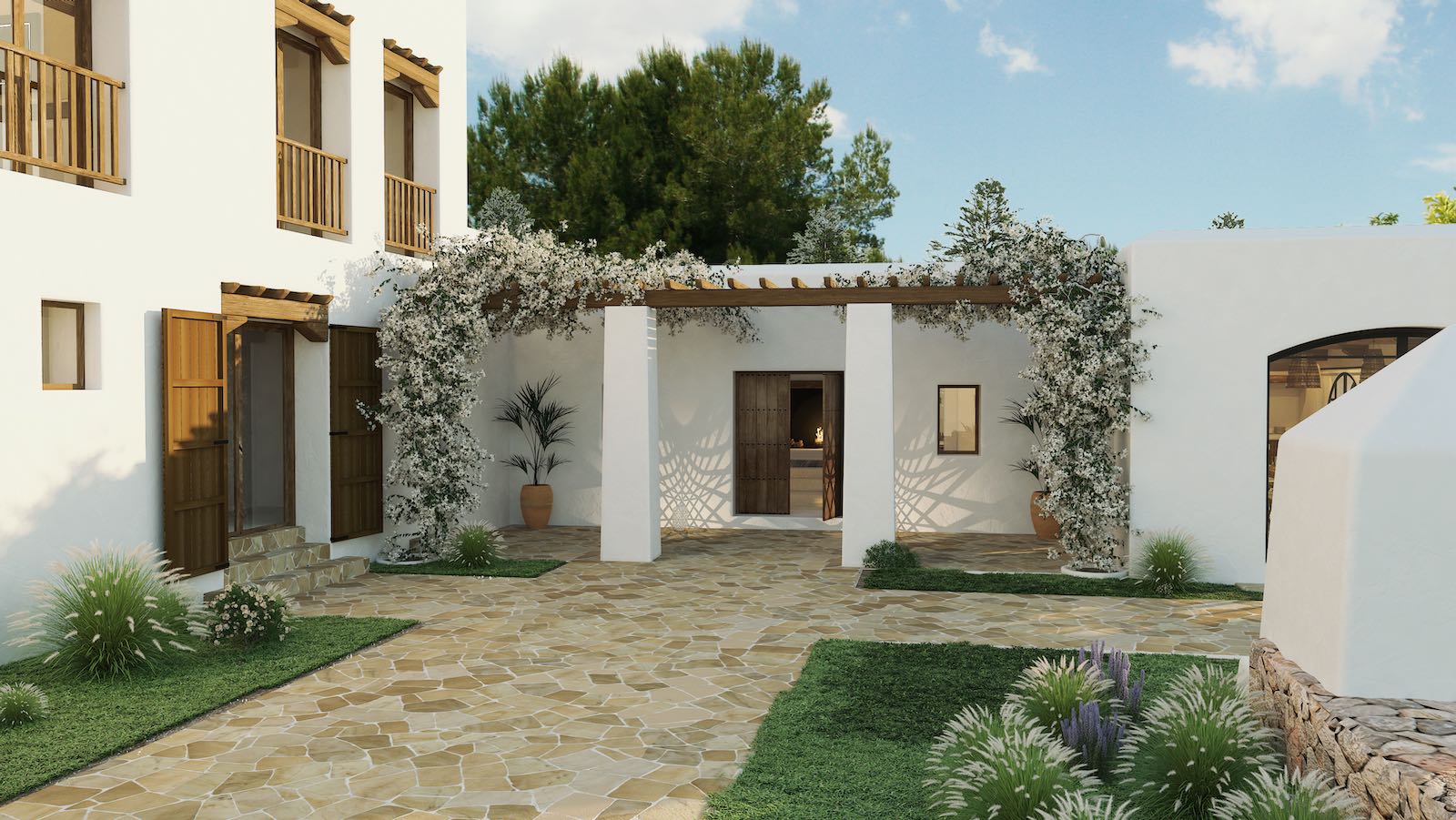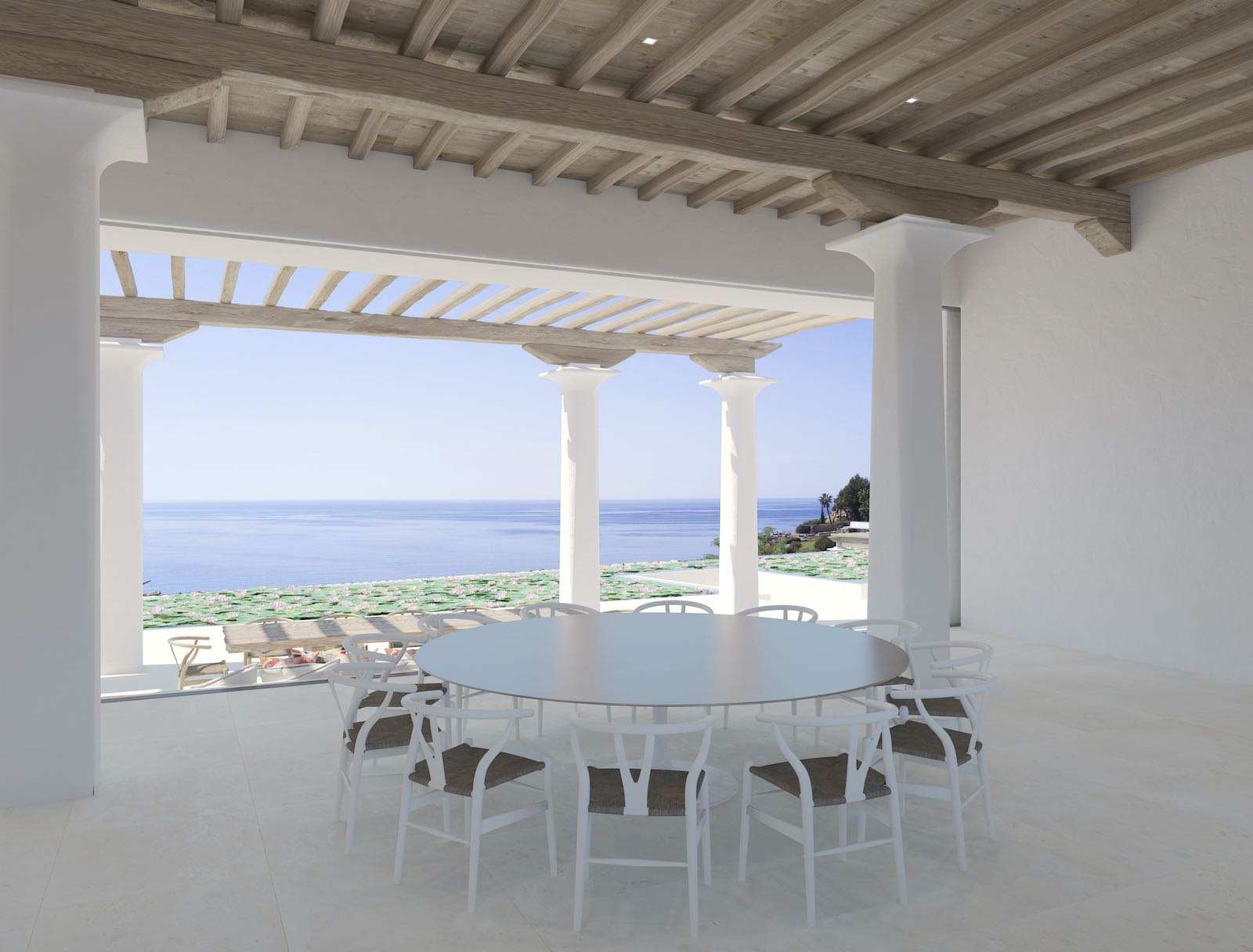
Most clients arrive at the Blakstad office with a very clear idea of what their dream life looks like. They’ve spent hours scouring the internet and magazines looking for just the right combination of colour, texture and style. Countless more hours have been spent creating moodboards and crafting what they believe to be a watertight brief.
However, in the everyday realities of building a home, a brief is never enough. The brief does not convey to the architect how the client wants to feel in their home, nor does it elaborate on the habits and customs the client carries with them imperceptibly, even to themselves. This is true for the simple fact that the client is not in the business of designing homes and therefore, is not equipped to think beyond the limitations of their dream. The question should not be how we want it to look, but how do we actually live – hour to hour, day to day, season to season?
Inevitably, clients focus on the big-ticket items – social spaces, bedrooms, the kitchen and the pool – and spend very little time thinking about the small habitual moments in their daily lives. Are you a shoes-off household? Where will the shoes go? Are you dinner party people? Have you thought about how to hide the mess of cooking in your open-plan kitchen? A good architect will guide their clients beyond the dream and into the nitty-gritty of everyday life, ensuring that functionality is on par with style.
Here are some of the key areas clients often overlook.
Coming home
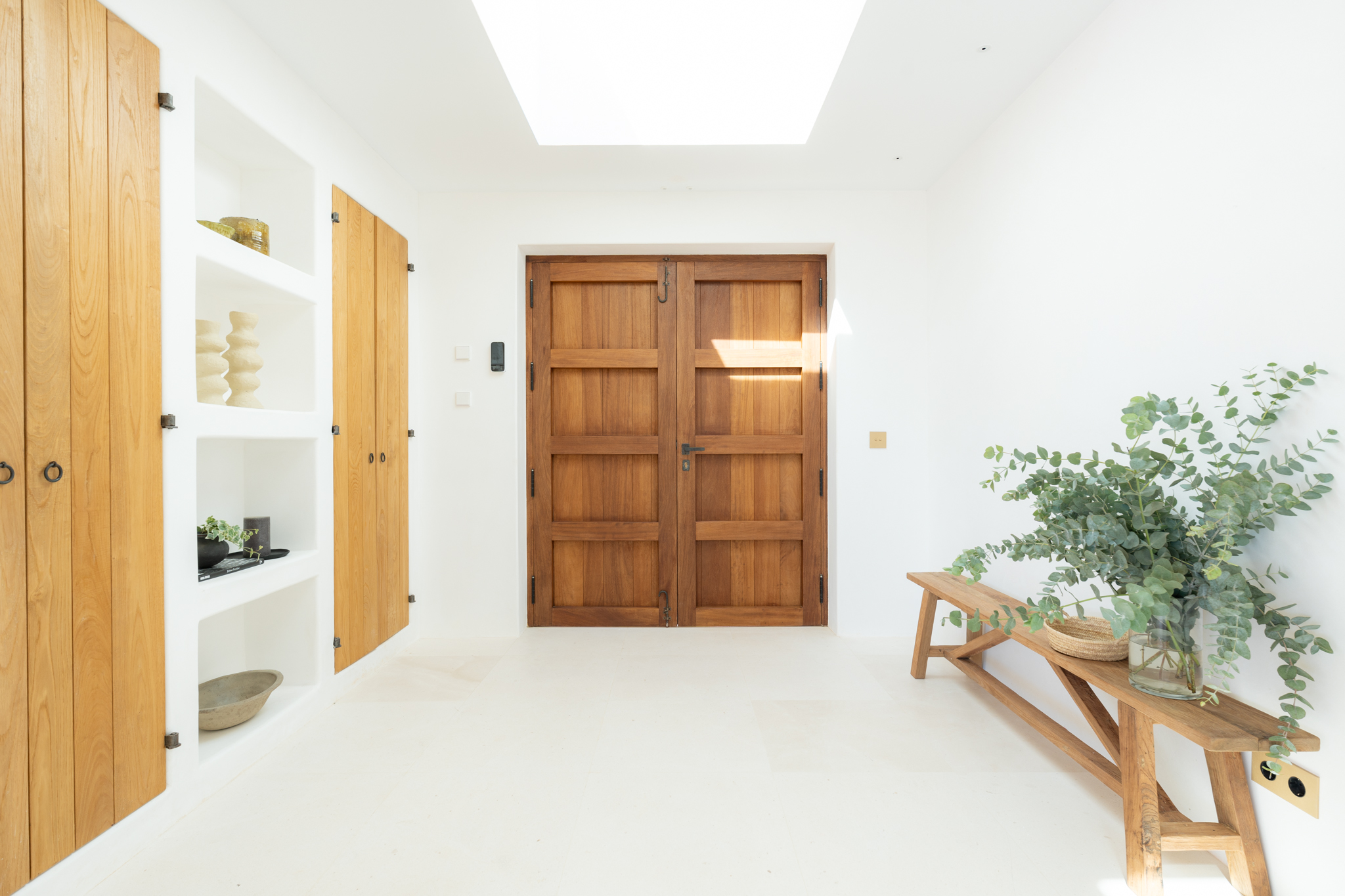
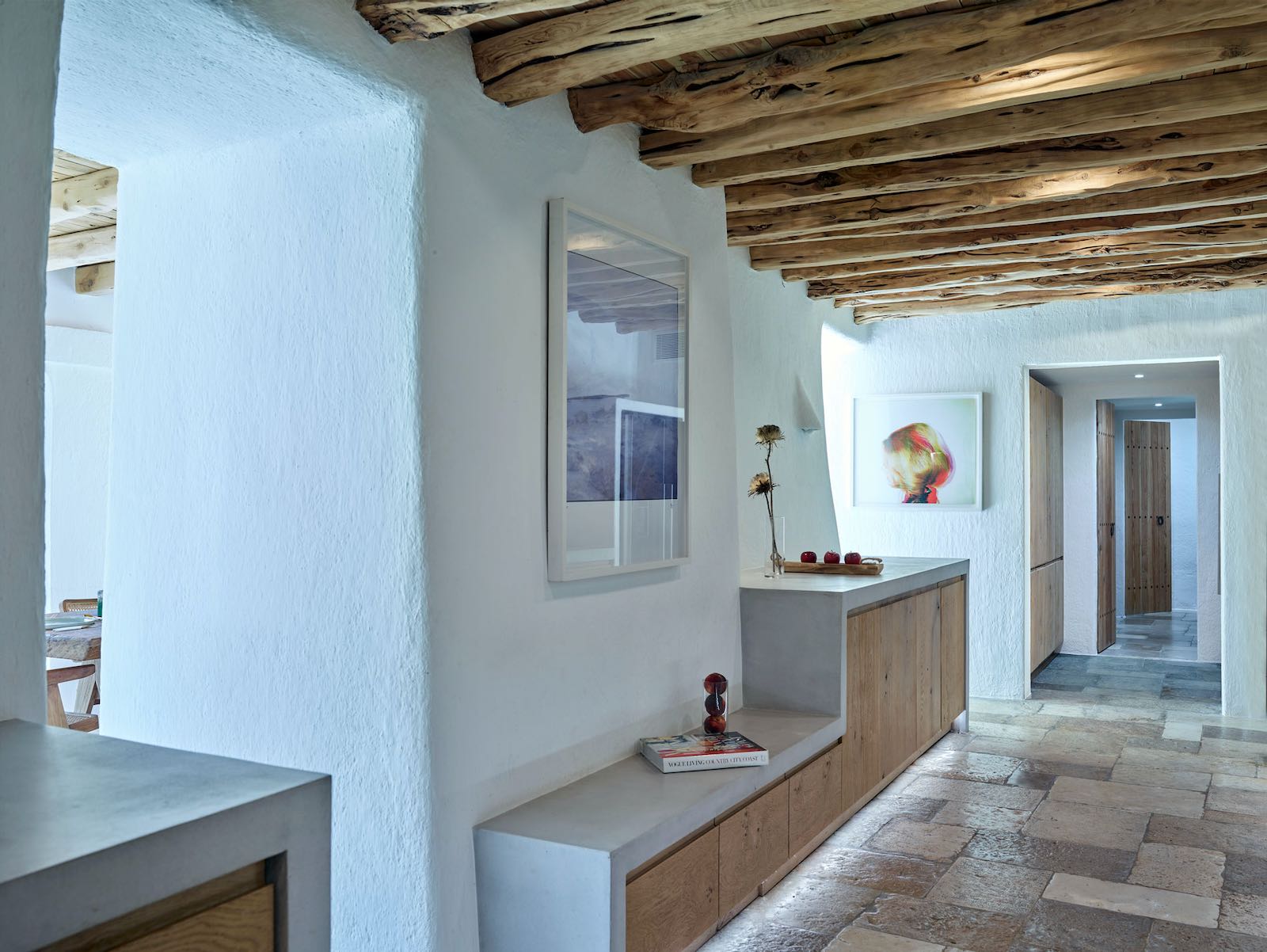
Hopefully, most clients are arriving home wrapped in a haze of Zen-like calm. Sadly, it’s not always the case which means the first 30 seconds from opening the door to achieving a genuine sense of relaxation can make all the difference. Unloading at the front door is standard practice for most people, but if you want to keep your entryway looking chic there needs to be a solution to absorb the clutter – keys, sunglasses, bags, coats and the general accoutrements of modern life. A well-considered entrance sets the mood for everything that follows.
Keeping the cleaners happy
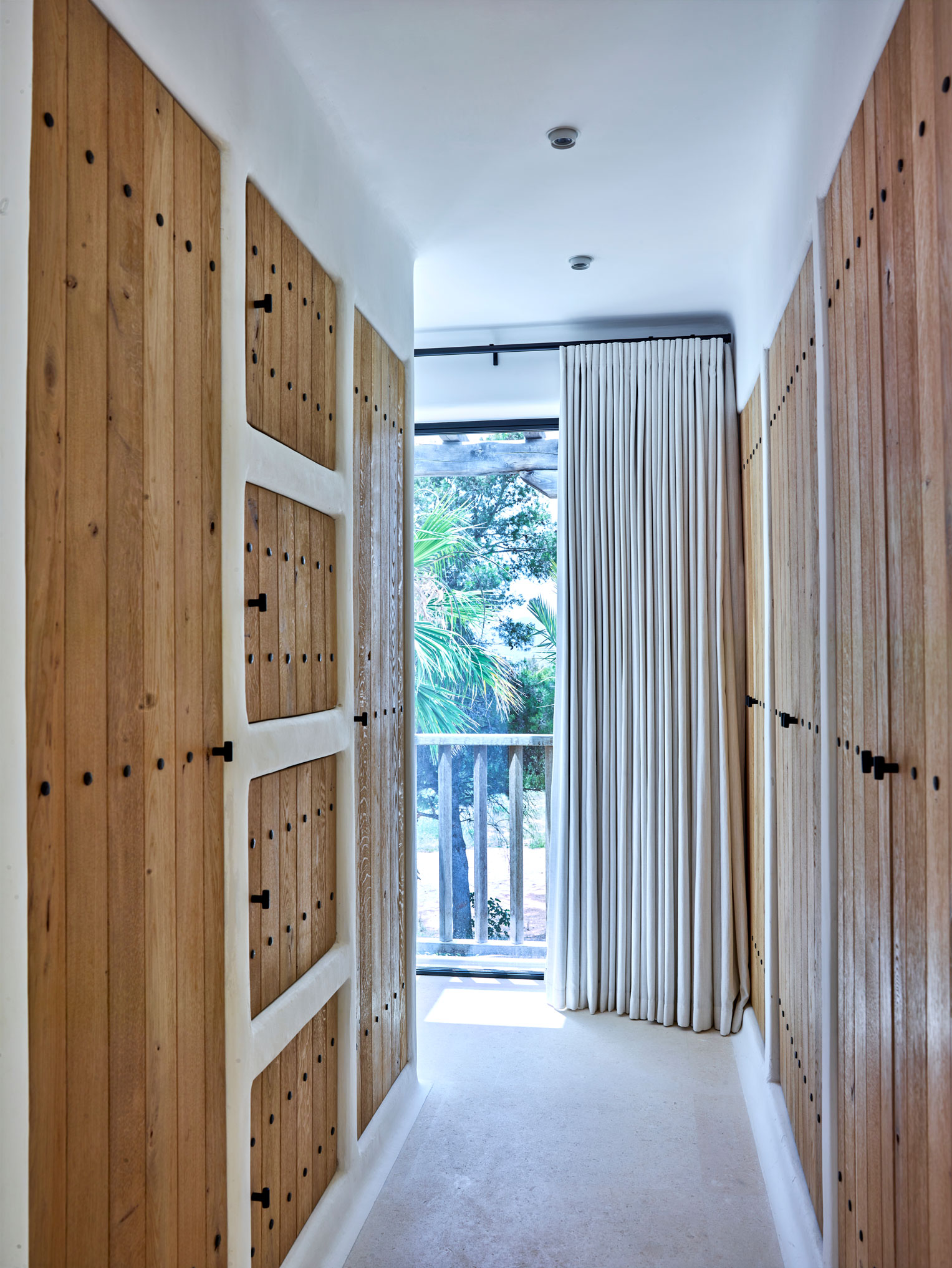
Very few clients at this level clean their own homes, so it’s understandable they might not contemplate what it takes to keep a large property running immaculately. A five-bedroom villa at the height of summer is going to produce copious amounts of laundry. Sacrificing some space to create a properly designed laundry and cleaning room will elevate your experience to hotel-level comfort while making life substantially easier for the people looking after you.
Prep kitchens and pantries
If you love to cook and entertain but can’t give up on your open-plan kitchen, adding a prep kitchen is essential. This is where ugly appliances, additional food storage and the inevitable mess of creating gourmet masterpieces can be hidden away entirely, leaving the main kitchen pristine and ready for the serving of cocktails and canapes.
The fifth wall
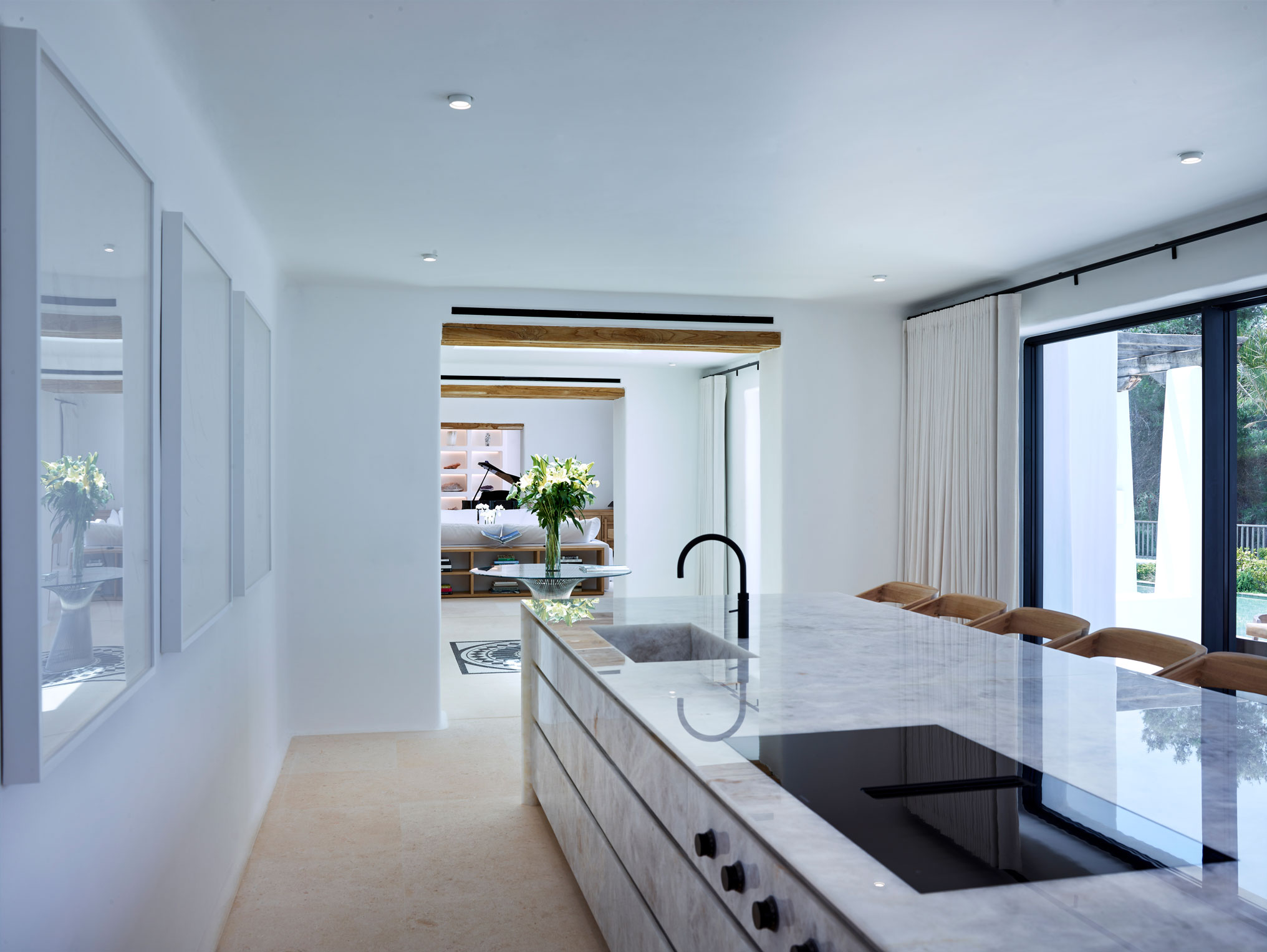
Few people think of ceilings as part of their design vision, and yet this apparently innocuous element has the power to completely transform a room’s dynamic and affect its mood. A sensitive architect will ensure ceilings are not neglected but actively utilised to create atmosphere and foster a sense of wellbeing.
The night shift
The way a home performs after-dark is an entirely different proposition from its daytime self. Thoughtful lighting design – layered, dimmable, responsive to mood and occasion – is one of the most transformative elements of a home and one of the most consistently underestimated. So too is acoustic design. The sounds that travel between bedrooms, the echo of hard surfaces in a kitchen at midnight and the ambient hum of pool equipment are the details that separate a house that looks beautiful in photographs from one that feels like a sanctuary.
The charging conundrum
Whether we like it or not, an inordinate amount of our creature comforts requires charging. Bulky wall plugs, tangled cables, chunky routers and a pile of devices balanced haphazardly on a sideboard are anathema to a peaceful space. Thoughtfully placed concealed charging stations and an integrated network designed to accommodate new technology are a crucial component of modern living and one that is almost always overlooked until it’s too late.
Engine room
The client may not be thinking about the machinery required to keep a large home operating, but the architect should be. A dedicated plant room to house water heaters, HVAC systems and other essential infrastructure, with adequate space to service and repair them, is another facet of making a house truly liveable.
Indoor/outdoor realities
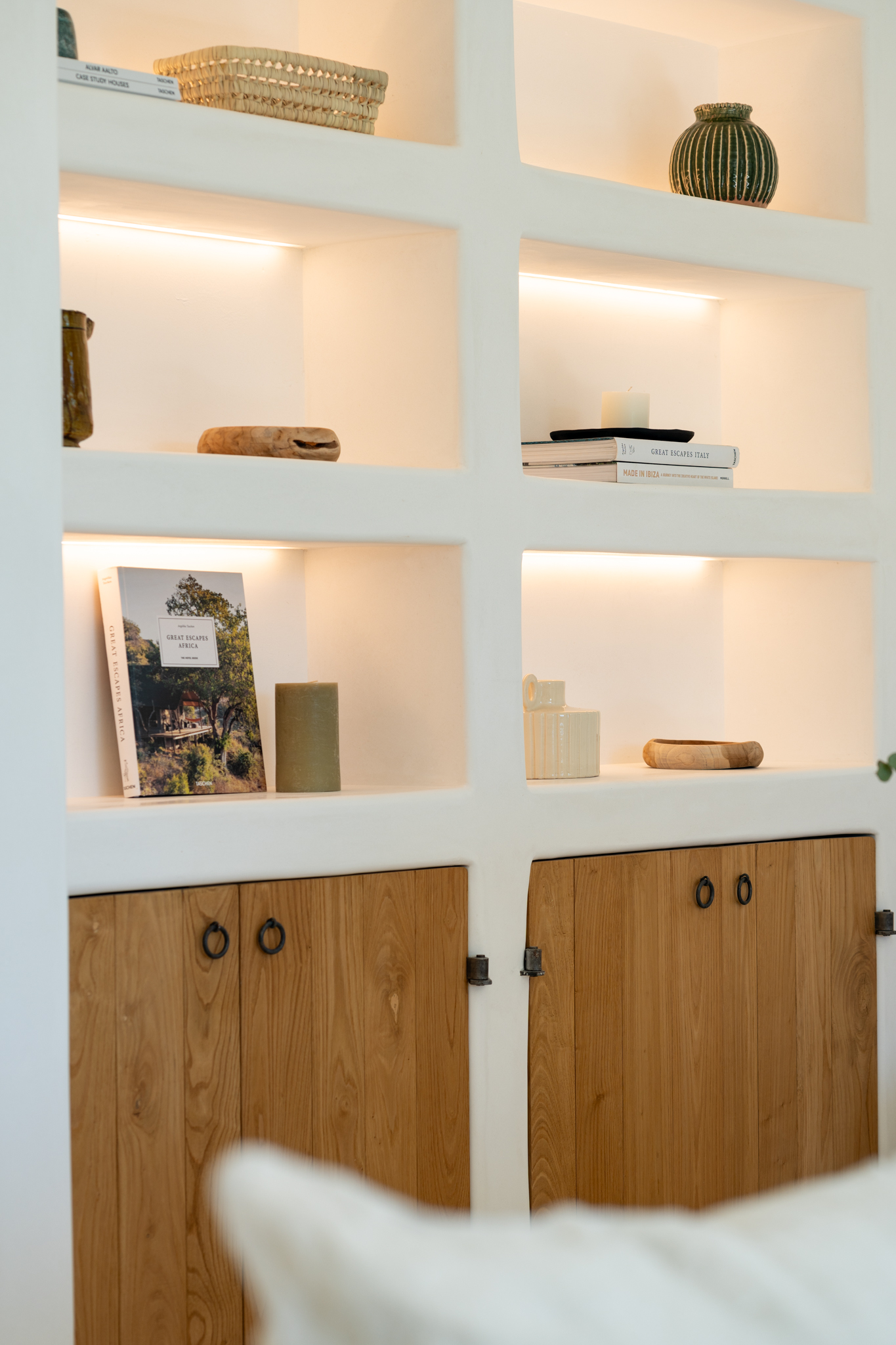
Blakstad homes are designed for seamless indoor/outdoor living, and while clients might be deliberating over whether to include a pizza oven in their outdoor kitchen, they may not be thinking about where all the tools, décor and soft furnishings need to go when the season changes. Discreet, weatherproof outdoor storage is critical for smooth seasonal transitions.
Pets are part of the family too
Pets are almost always part of the household, yet rarely part of the brief. If you have dogs, consider what it’s like to arrive home with an overexcited pooch covered in mud. Where do they get cleaned after a walk? Where do they sleep? Where do leads, food and the inevitable clutter live? These are the kind of items that drift into main spaces – food bowls end up underfoot in the kitchen, a litter tray gets shoved into a corner and leads hang from door handles. The unsightly burdens brought by your sweetest companions are easily controlled and camouflaged through thoughtful design.
While the name Blakstad implies a high-design and beauty, our homes are designed to be lived-in fully, not just admired. The difference between a beautiful house and a truly exceptional home lies in these small details – the ones that never make it onto a moodboard but define every single day.