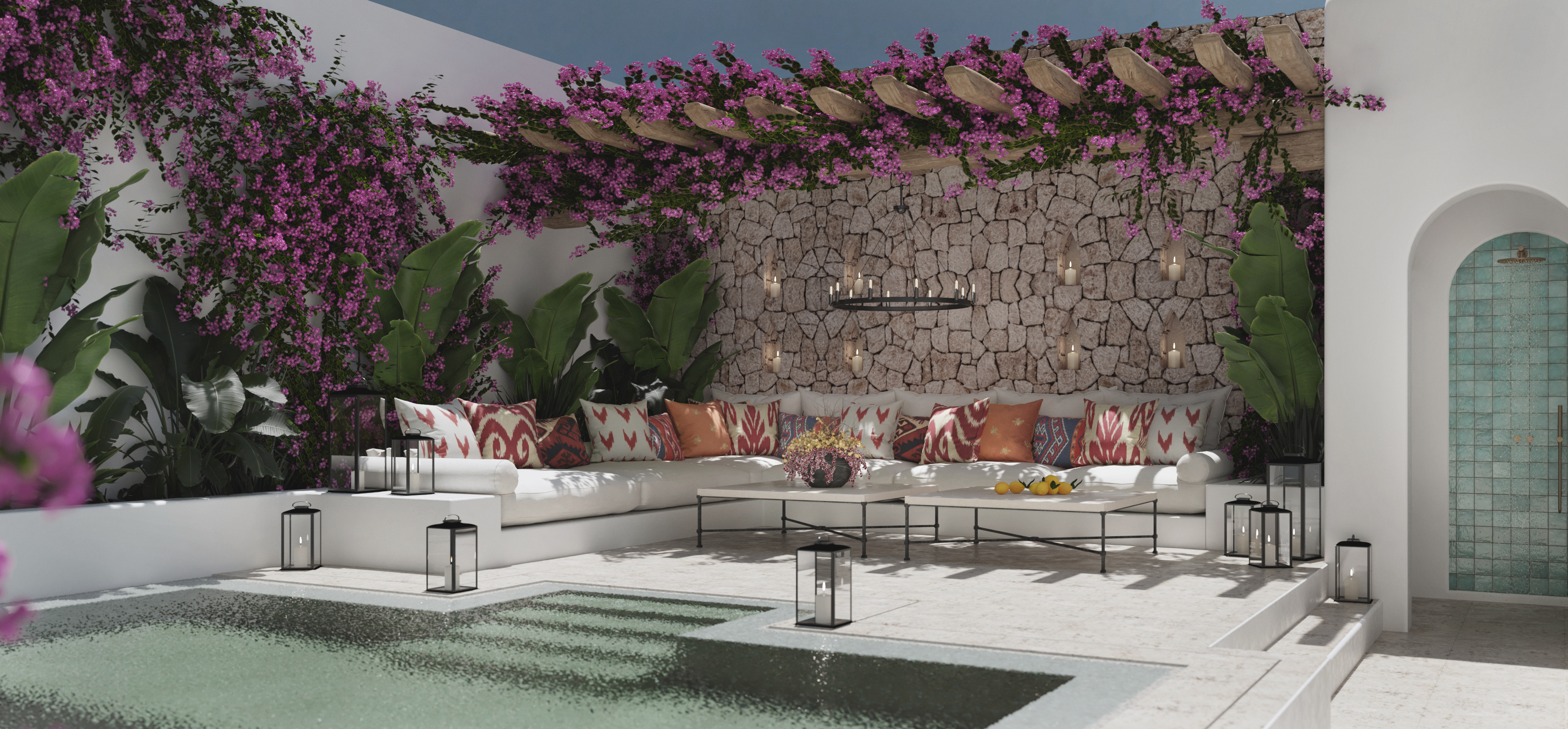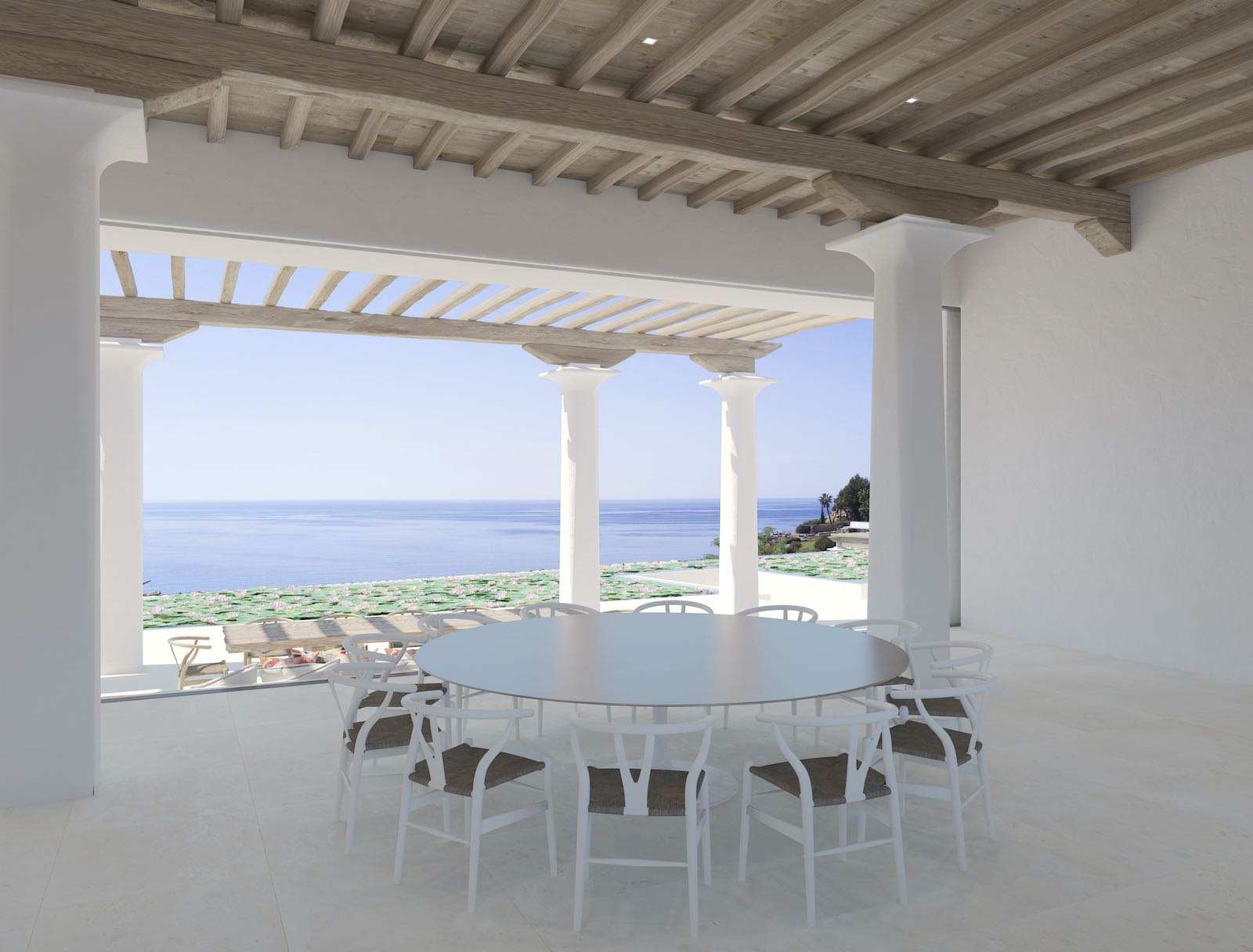
Most homes are designed for a moment in time – a young family, a couple in midlife, empty nesters – with each chapter defined by particular habits and needs. Yet lives rarely remain fixed. Children grow, leave and return. Relationships evolve. Bodies change. Work patterns shift. What once felt perfectly calibrated can begin to feel either too full or too empty. At Blakstad, architecture is understood as a long-term companion rather than a static object. “A good home should not only reflect who you are now,” says Rolf Blakstad. “It should accommodate the person you haven’t become yet.”
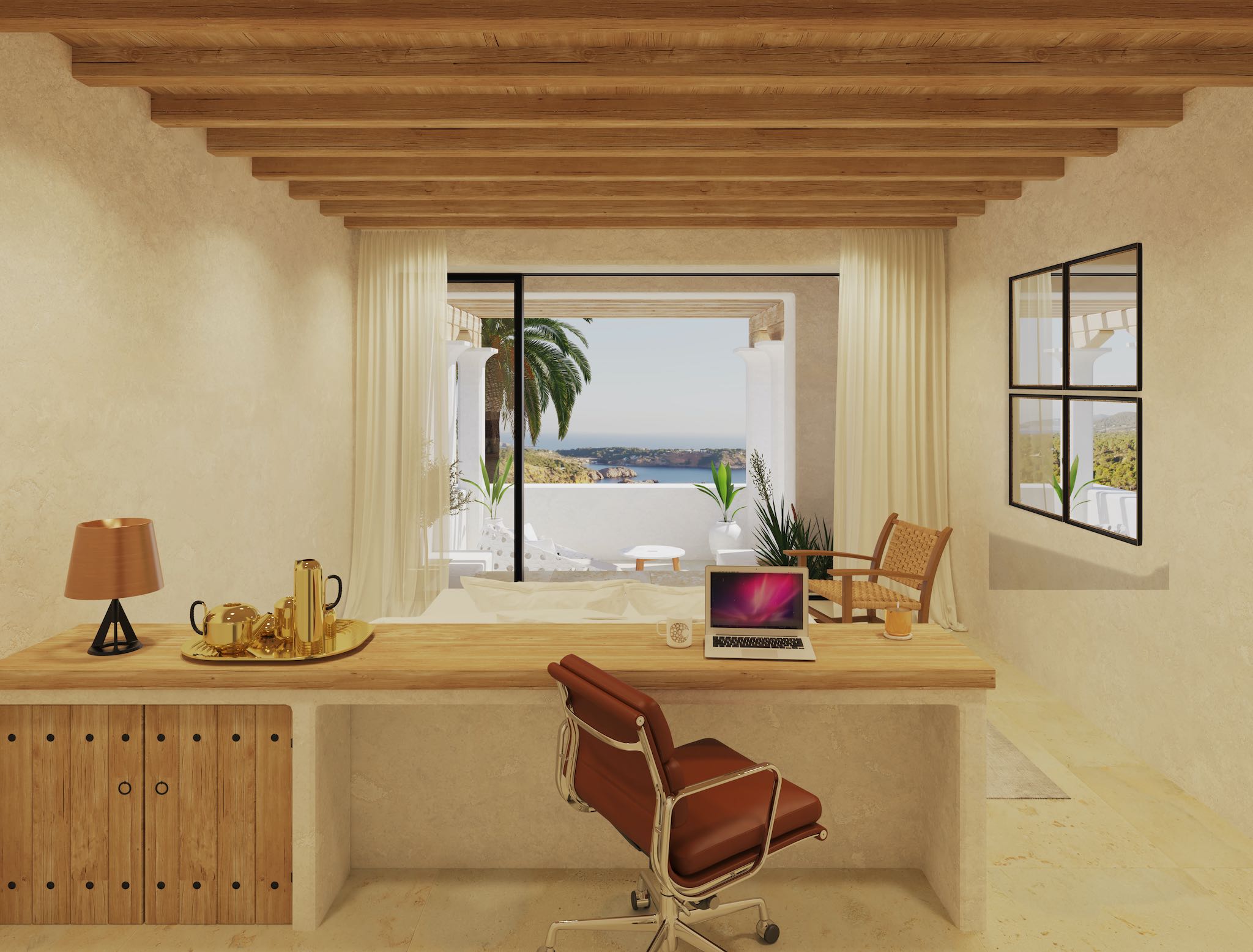
This way of thinking is especially relevant today. Our clients are well-travelled, culturally fluent and often aware that the phases of life unfold fluidly. The boundaries between work and home have blurred. Children move between dependence and independence and back again. Families disperse and reconvene. Life is impossible to predict, so designing for the future becomes about creating a structure that can absorb change without losing its coherence.
Traditional Ibizan architecture offers a powerful reference point. These homes were never conceived as complete. They began with a single room – the porxo – and cubic form by cubic form, the home expanded as the family grew. New rooms were added as functions shifted through the life cycle. This was not a stylistic choice; it was one of prudence and practicality. Houses were conceived as living structures, shaped by need. There was no sense of finality but a strong sense of continuity.

“Tradition is not something we imitate,” Rolf explains. “We use its lessons as a scaffold. It teaches us how to think.” While contemporary homes no longer need to follow the same additive logic, the principle remains deeply relevant. Homes designed to expand, contract and reconfigure over time are imbued with a sustainable longevity from the outset.
A home often lives several lives. It may begin as a place for young children, where visibility, proximity and shared spaces matter most. Then come teenage years, where independence and separation become essential. Later, the house may grow quieter, more spacious. Rooms that once felt necessary can suddenly feel surplus to requirements. Often, the cycle begins again. Grown children return with partners. Grandchildren arrive. Friends come for longer stays. Parents age and need support without losing autonomy.

Rather than resisting these shifts, Blakstad designs for them. A guest wing that later becomes a studio, a caretaker’s suite or a place for extended family; rooms that can change function without structural upheaval; circulation that allows togetherness and separation in equal measure. There is a misconception that adaptable homes must feel provisional, unfinished or somehow less resolved. At Blakstad, the opposite is true.
Flexibility does not mean neutral. It means allowing rooms to hold more than one future. It means designing thresholds rather than fixed functions. “Permanence and adaptability are not opposites,” Rolf notes. “They support each other. They allow for changes to be easily made.” This is particularly important for clients who build with the intention of staying. A home should not demand reinvention every decade. The aim is to avoid spaces that only function at maximum occupancy. Instead, houses are composed of smaller worlds that operate independently or together.

For many clients, the future is not only personal. It is intergenerational. They imagine their homes being shared, adapted and eventually passed on. This brings a different set of questions. Not only how will I live here, but how might others live here after me? What stories will these spaces hold, what will endure? “A home has the capacity to carry memory,” Rolf reflects. “It doesn’t need to erase what came before every time it changes.” This is why Blakstad avoids trends that date quickly. Timelessness is not an aesthetic, but a strategy. Materials that age well. Proportions that remain legible. Layouts that can be reinterpreted.
Designing for the future is not about anticipating every scenario. It is about accepting that change is inevitable, and building with enough intelligence, generosity and restraint to allow for it. In many ways, this is a return to older ways of thinking. The most sustainable house is not the one with the newest technology. It is the one you never need to leave. “In the end, we are not designing buildings,” says Rolf. “We are designing the conditions to support a full and productive life.” That, perhaps, is what building for your future really means.