The Algarve sits on the western edge of Europe, its coastline shaped by the steady force of the Atlantic. Dramatic limestone cliffs give way to long, open beaches and quiet wetlands, while inland the landscape softens into rolling green hills, cork forests and charming white villages. While the light, climate and rhythms here differ from those of the Mediterranean, there are also subtle similarities. Architecturally, the region is defined by practicality – whitewashed forms, shaded terraces and structures built to withstand heat, wind and salt air. Like much of the Mediterranean, it is a place of contrast, lively in summer and peaceful in winter, with a lifestyle dictated by the natural environment.

Blakstad was commissioned by a young British couple, who had grown up in the region, to design a family home that reflected both their roots and their aspirations for the future. They discovered a beautiful plot with open views across protected wetlands and out to the ocean, a setting that immediately shaped the project’s direction. There was already a small house on the land and local planning regulations placed certain restrictions on any new builds. Changes to structure, envelope or volume must be carefully justified, often involving several layers of local sign-off. Navigating this process requires patience, precision and a deep understanding of local systems – qualities that the Blakstad team brings through its long experience and close working relationships with Portuguese colleagues.
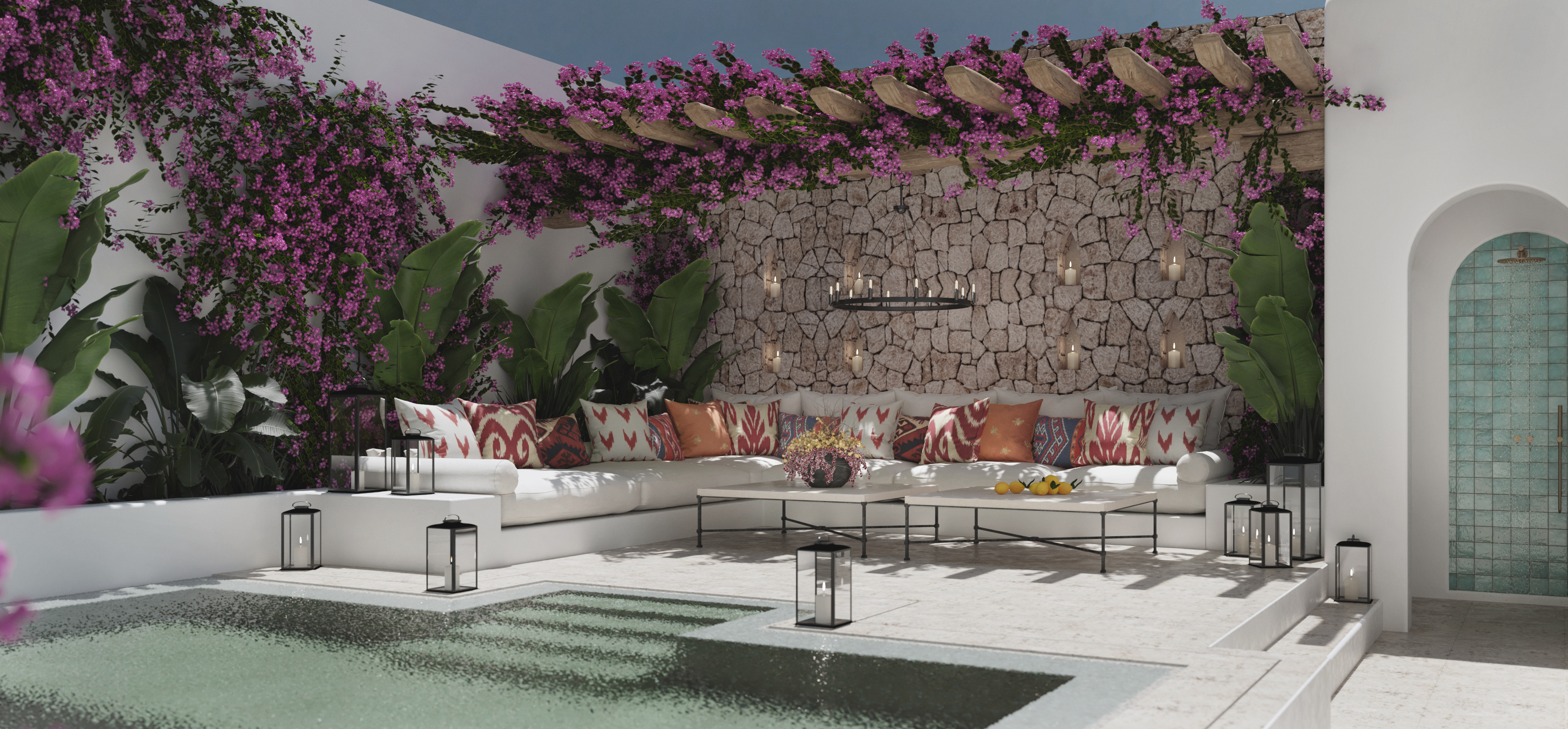
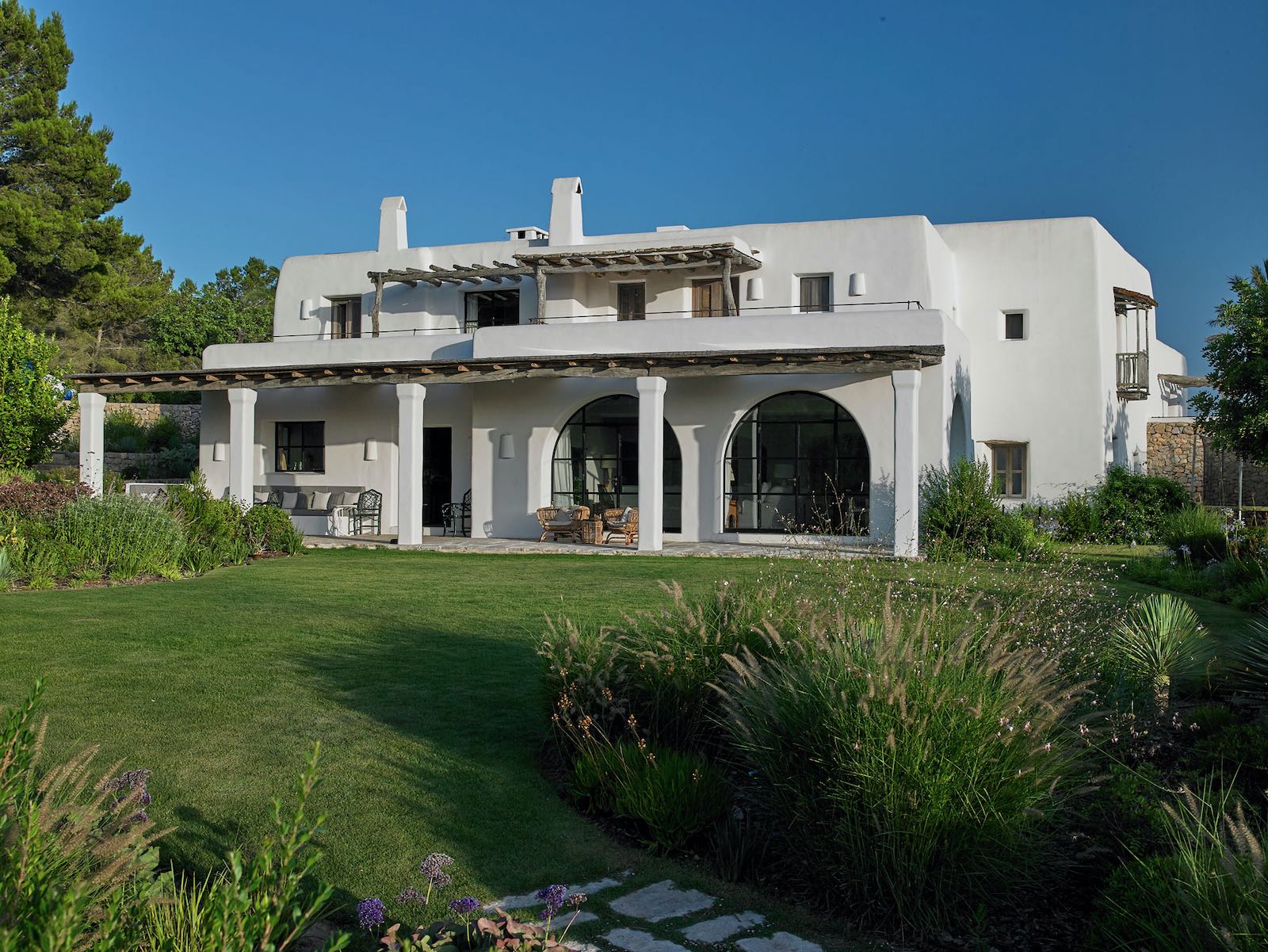
Working alongside local engineers, consultants and planning specialists, the design evolved through a careful process of understanding what was possible, what required negotiation and what needed to remain untouched. One entire wing of the new house follows the exact footprint of the original building, becoming the framework around which the rest of the house unfolds. A series of white-rendered volumes pieced together creates fluid connections between inside and out. The design hints at familiar Blakstad hallmarks – cubic forms, shaded terraces and double-height columns – while remaining true to its specific setting. Living spaces open naturally onto porches, courtyards and garden areas, while deep pergolas shade chill-out zones and overhangs allow doors to remain open, encouraging a sense of openness without overexposure.

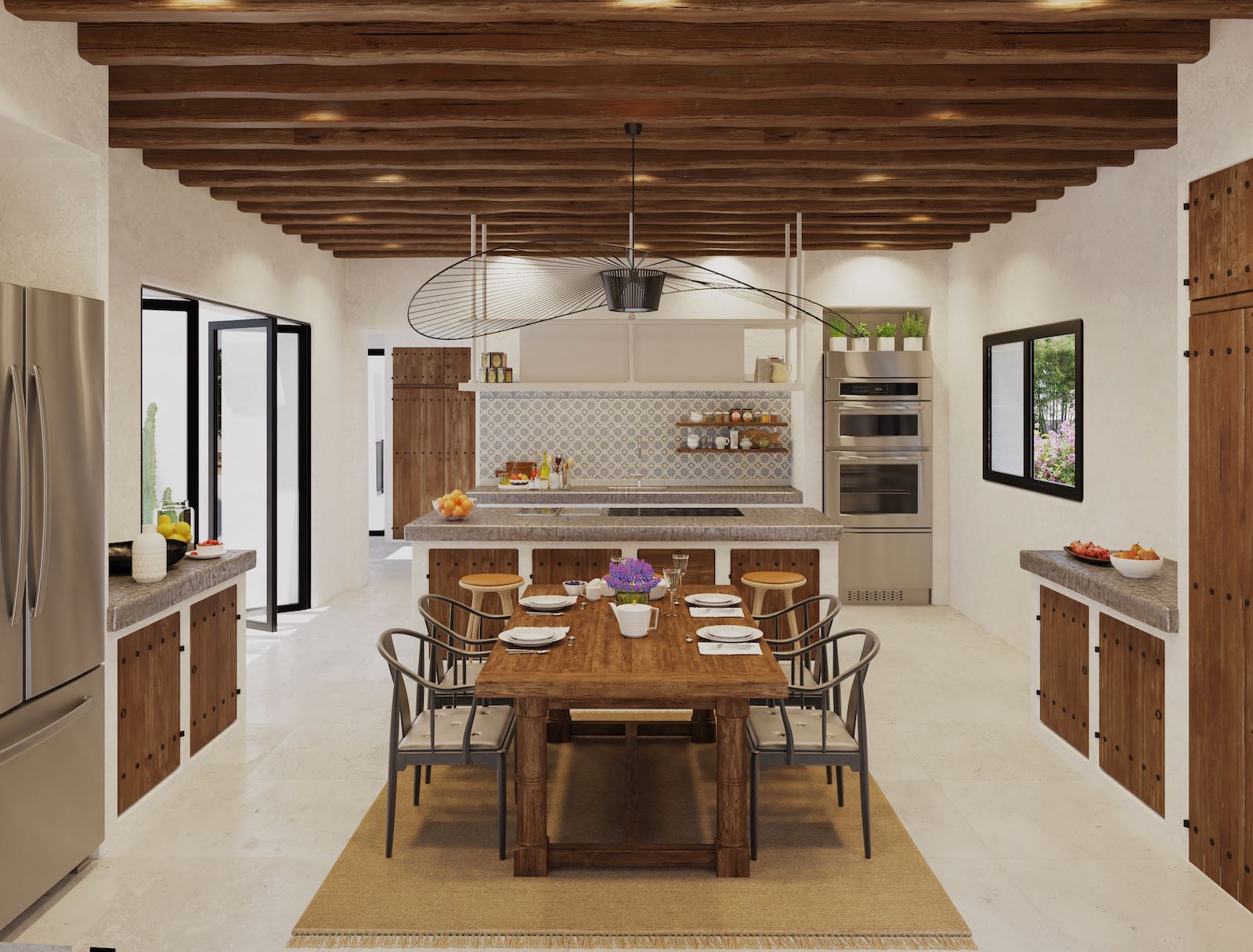
Materials were chosen for their simplicity and longevity, where every element has a clear purpose. Lime-washed walls, natural stone, wood beams and plaster finishes create a soft, cohesive palette that allows natural light to do much of the decoration. The gardens play an important supporting role, softening the architecture and referencing the native ecology. Contained planting beds, low stone walls and terraces echo the agricultural structures common to the region. From the pool terrace, the view flows uninterrupted from garden to wetland to ocean. Careful planning, close collaboration with local teams and a deep respect for place allowed this project to develop into a comfortable, welcoming, light-filled family home.