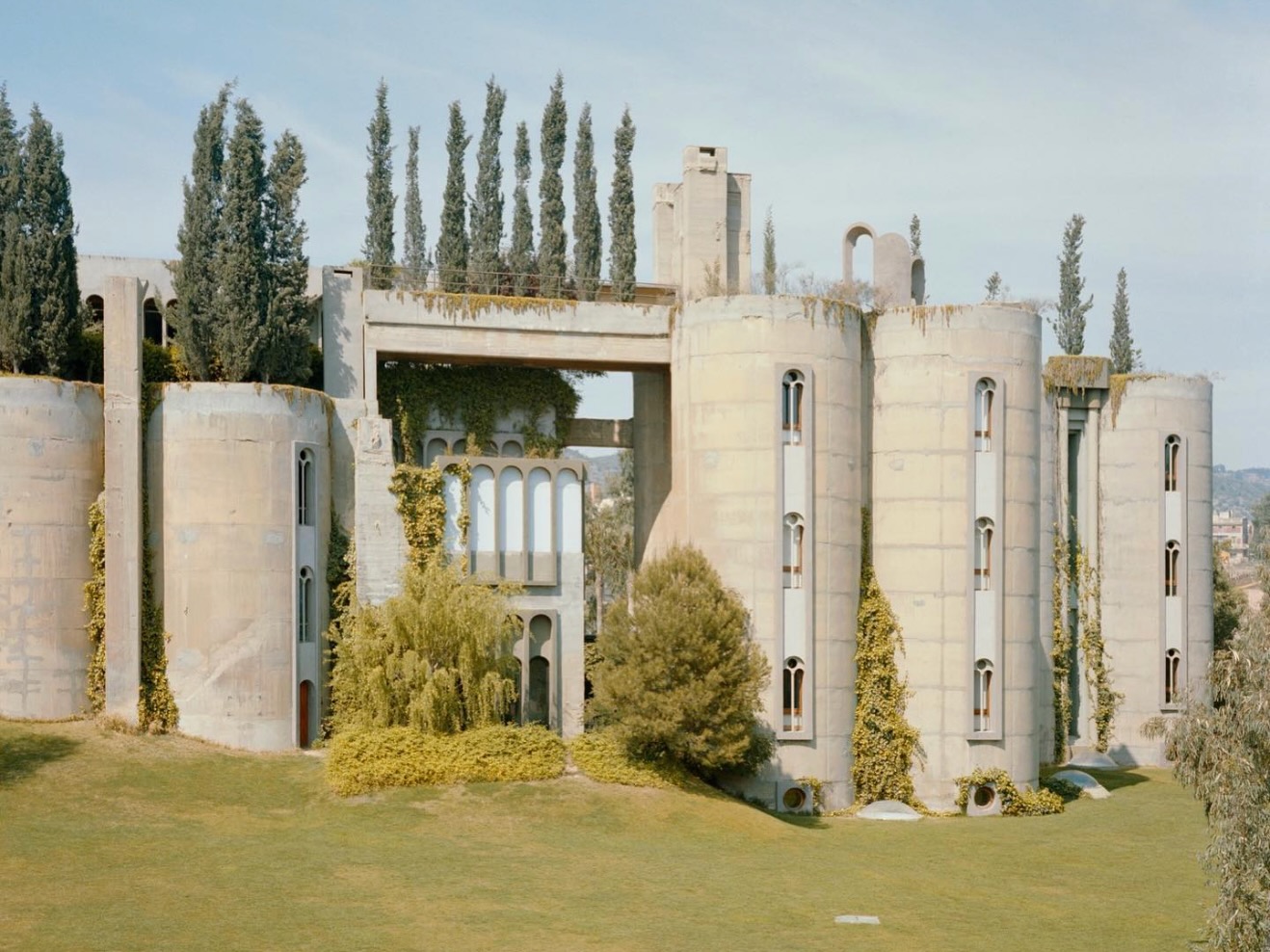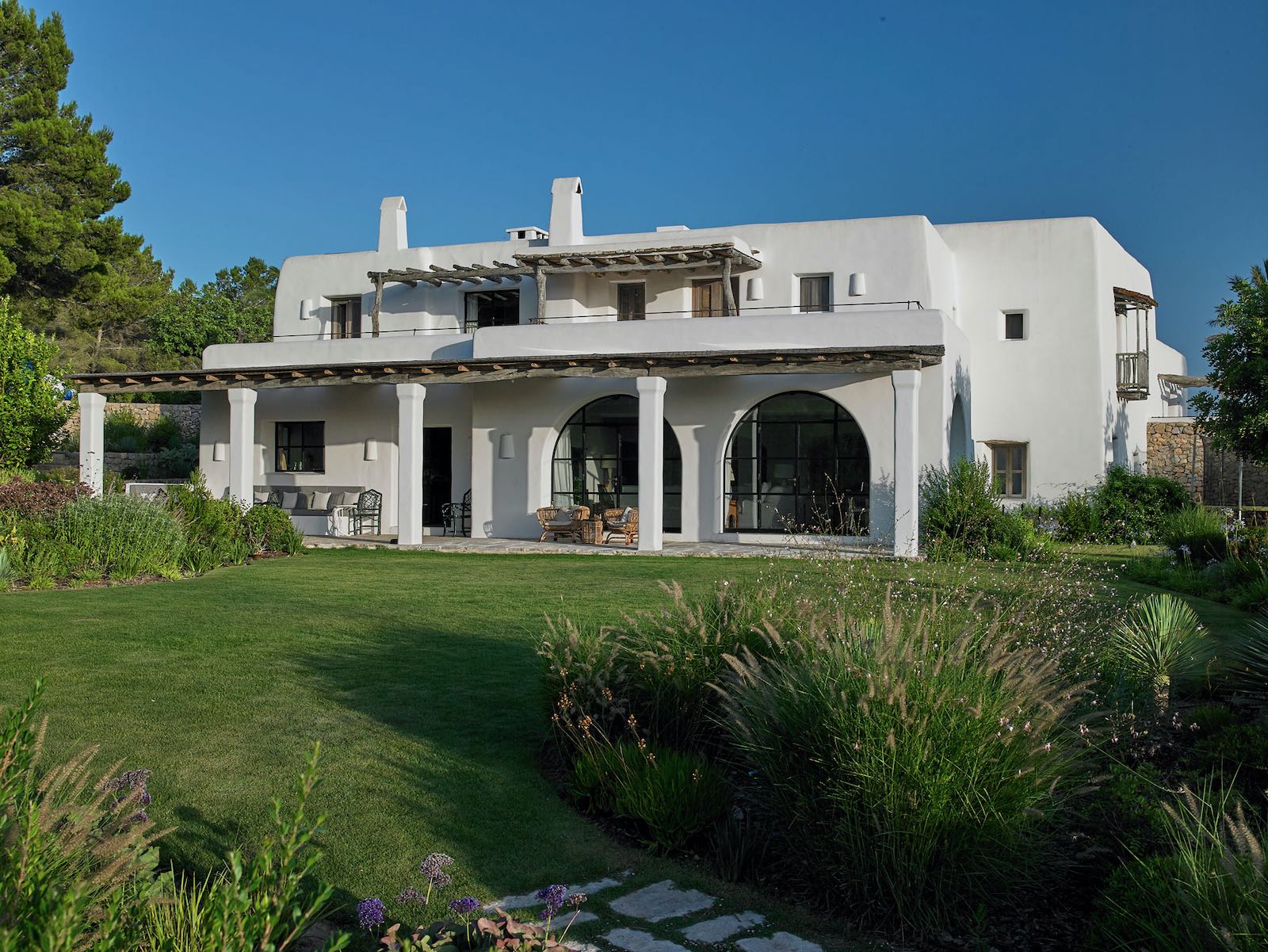
‘Architecture should speak of its time and place, but yearn for timelessness.’ The words of the late Frank Gehry pose a quiet demand, but what does timelessness really mean? For some, it’s simply the absence of trend or whim, but at a deeper level, timelessness suggests a sense of rightness, the feeling that a building belongs exactly where it is, regardless of when it was made or who made it. It’s a noble pursuit complicated by the fact that when pursued, it inevitably escapes capture. Try too hard and blandness takes over.

Ibiza’s architectural heritage offers some apt lessons in the pursuit of timelessness. The island’s traditional fincas were never designed to impress or endure as monuments. They were shaped by climate, necessity and daily life, refined slowly through repetition rather than intellectual theory. Their recognisable and desirable aesthetic – whitewash, stonework and simple interiors – emerged as a consequence, not an aim. Practical responses carried forward through generations, informed by long familiarity with the land, available materials and everyday routines, produced an architecture that is now considered timeless.
The temptation when looking to recreate this sense of timelessness today is to focus on the visible, such as white walls, wood beams and stone floors. It may seem a simple way to replicate the innate sense of architectural belonging, yet without a robust methodology, these modern cosmetic applications can quickly appear derivative. In traditional Ibizan buildings, these elements were never applied as decoration. They were the outcome of necessity dictated by proportion, orientation and material logic. When appearance leads rather than follows, the result can feel hollow. Timelessness cannot be added at the end of a project. It must be embedded from the outset, through choices that prioritise daily life over visual effect.

Restraint rather than embellishment is required; decisions should be led by how a house will be lived in rather than how it will be photographed. Orientation matters: how light enters a space through the day, where shade falls in summer and how warmth is retained in winter. Thick walls, deeply recessed openings and transitional spaces are not aesthetic gestures, but devices employed to temper scale and provide comfort. When these fundamentals are resolved early, coherence follows naturally.
Ibiza’s traditional palette remains effective today because it was honest and deeply connected to the land. Materials play a central role and in contemporary homes, the challenge is not to replicate these materials blindly, but to choose finishes that will age with grace, blending into the bones of a home. A surface that acquires patina carries memory. Natural materials, selected for their quality, become part of a home’s story, much like the worn flagstones of an old farmhouse, each footstep adding a connection to the past.
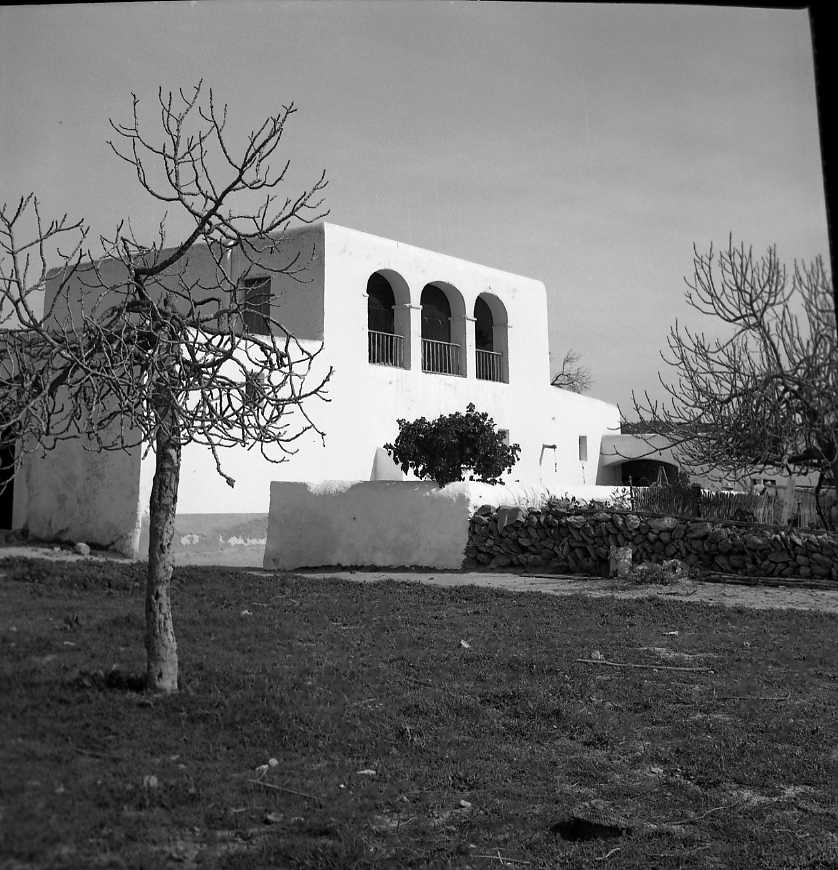
Equally important is the acceptance that a home is not a fixed object. The fincas of Ibiza were altered, expanded and modified over generations. Their coherence came from continuity of living rather than frozen form. Designing with this in mind means allowing for flexibility, for spaces that can change function and for buildings that can evolve without losing character. Timelessness, in this sense, is inseparable from longevity. Buildings built with future generations in mind tend to hold a purpose beyond shelter alone; they are symbols of legacy and endurance – that is to say, timeless.
Achieving timelessness is not about chasing an aesthetic. It is to engage with place and time with enough care that the resulting architecture feels inevitable rather than imposed. Ibiza’s architectural heritage offers no formula, but it does offer a reminder: when buildings are shaped by lived experience rather than fashion, they tend to outlast both.